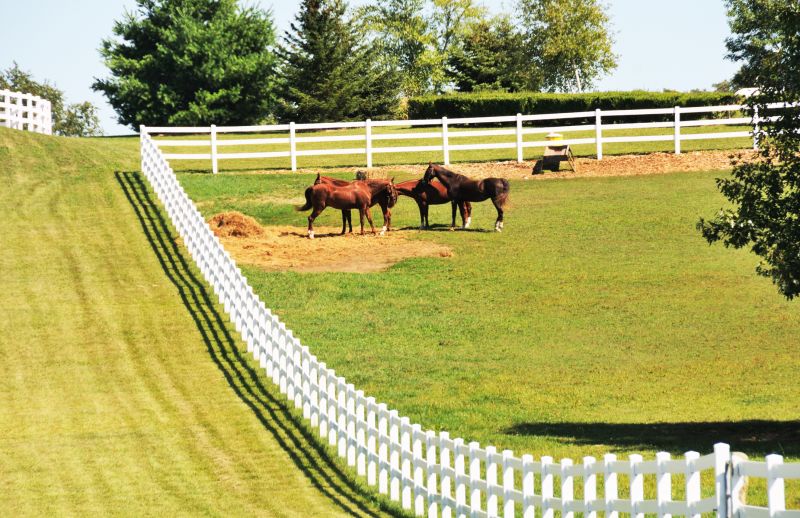
Equine Fence Installation in Roseville, CA
Equine fence installation services involve setting up durable and secure fencing systems designed specifically for horse properties. These projects typically include selecting appropriate fencing materials such as wood, vinyl, or wire, and constructing enclosures that ensure safety and containment. Property owners often request these services to define pastures, create riding arenas, or establish boundaries for equine facilities, with considerations for horse behavior, terrain, and maintenance needs. It’s important for homeowners to understand the different fencing options, their longevity, and how each type may impact the safety and well-being of the animals.
Before requesting equine fence installation, property owners should evaluate the size and layout of the area to be enclosed, as well as any local regulations or zoning requirements that may apply. Clarifying the desired purpose of the fencing-whether for containment, safety, or training-can help determine the most suitable materials and design. Additionally, understanding the maintenance involved, such as regular inspections or repairs, can assist in planning for long-term durability and effectiveness of the fencing system. Proper planning ensures the fencing not only meets the needs of the property but also provides a secure environment for the horses.
Many property owners in Roseville, CA look into Equine Fence Installation for repairs, replacements, upgrades, and appearance-related improvements.
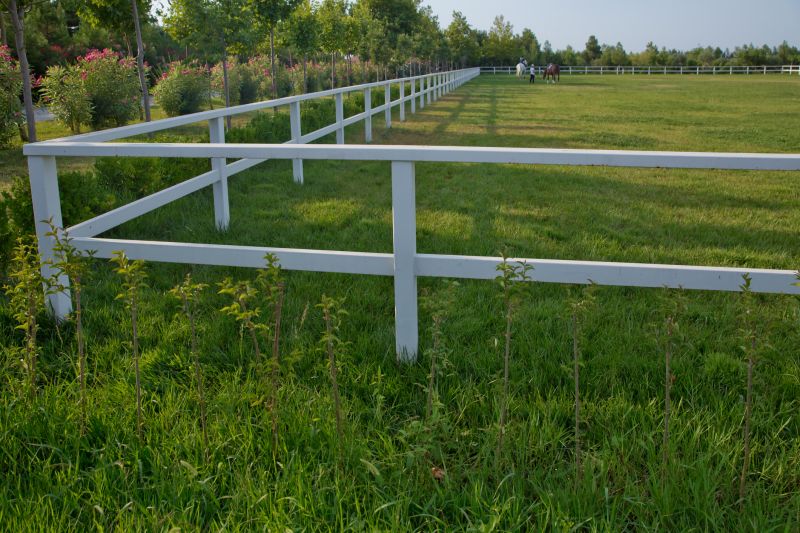
Types Of Equine Fences
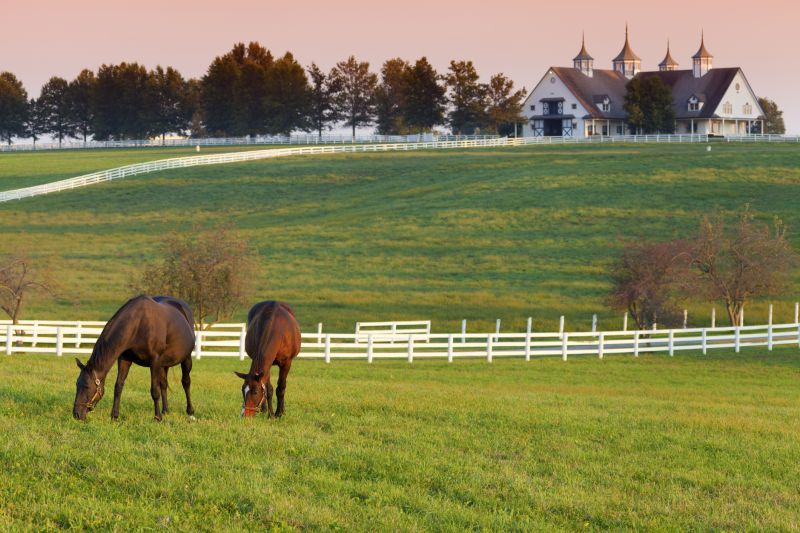
Different fencing options like wood, vinyl, and wire suit various needs for horse safety and containment.
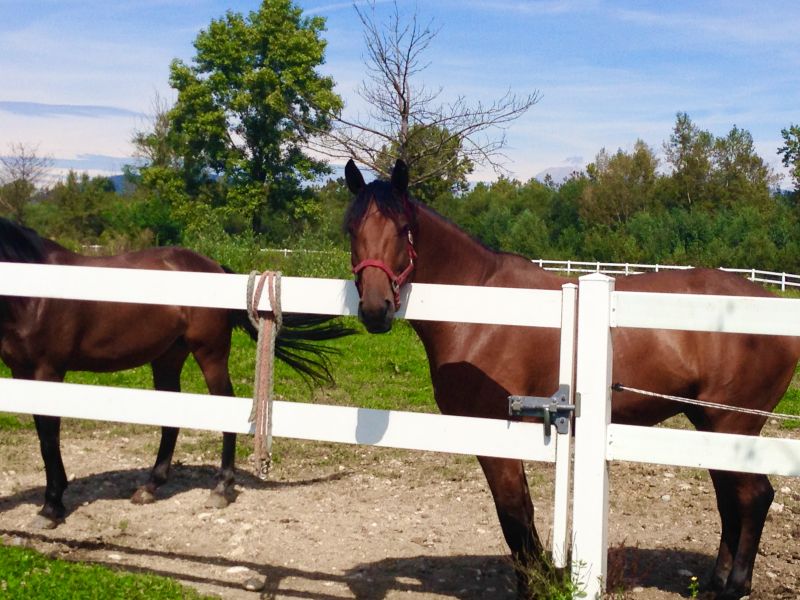
Design Considerations
Proper height, visibility, and gate placement are important factors for effective equine fencing in roseville.
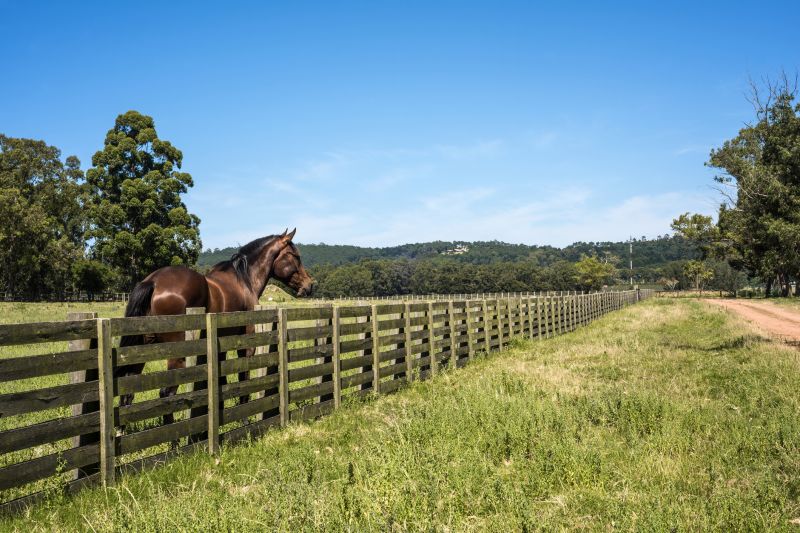
Maintenance & Longevity
Regular upkeep helps ensure fences remain secure and durable for years of safe horse enclosure.
Equine Fence Installation in Roseville, CA
Equine fence installation services involve setting up durable and secure fencing systems designed specifically for horse properties. These projects typically include selecting appropriate fencing materials such as wood, vinyl, or wire, and constructing enclosures that ensure safety and containment. Property owners often request these services to define pastures, create riding arenas, or establish boundaries for equine facilities, with considerations for horse behavior, terrain, and maintenance needs. It’s important for homeowners to understand the different fencing options, their longevity, and how each type may impact the safety and well-being of the animals.
Before requesting equine fence installation, property owners should evaluate the size and layout of the area to be enclosed, as well as any local regulations or zoning requirements that may apply. Clarifying the desired purpose of the fencing-whether for containment, safety, or training-can help determine the most suitable materials and design. Additionally, understanding the maintenance involved, such as regular inspections or repairs, can assist in planning for long-term durability and effectiveness of the fencing system. Proper planning ensures the fencing not only meets the needs of the property but also provides a secure environment for the horses.
Many property owners in Roseville, CA look into Equine Fence Installation for repairs, replacements, upgrades, and appearance-related improvements.
Common Equine Fence Installation Jobs
Equine Fence Installation - provides secure enclosures to keep horses safely contained.
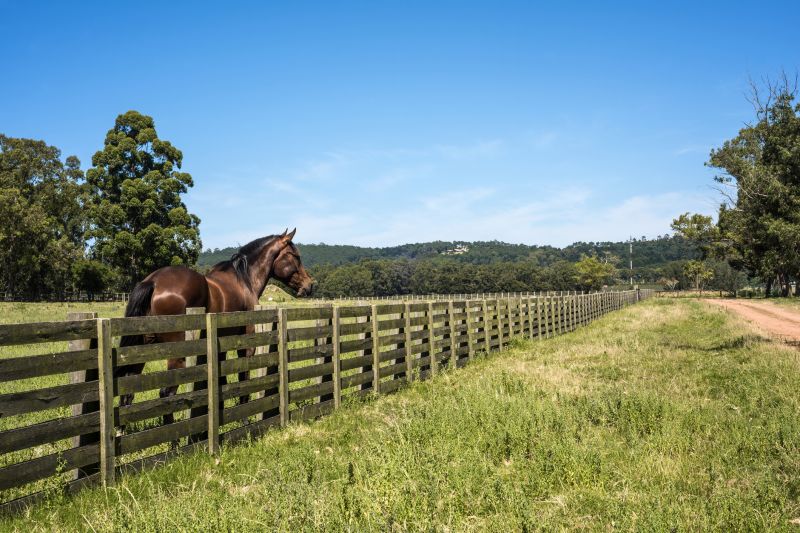
Wood Fences - offer a traditional look with durable, customizable options for horse properties.
Vinyl Fences - deliver low-maintenance, long-lasting fencing solutions suitable for equine enclosures.
Pipe Fences - create sturdy barriers that withstand weather and heavy use in horse pastures.
Electric Fences - provide flexible, humane containment for horses and other livestock.
Fence Repair & Replacement - restore or upgrade existing fences to maintain safety and functionality.
Equine Fence Installation Questions
What types of fencing are suitable for horses? Common options include wood, vinyl, and pipe fencing, each providing durability and safety for equine enclosures.
How high should an equine fence be? Typically, fences are built between 4 to 5 feet high to prevent horses from jumping over.
What materials are best for horse fencing? Materials like wood and vinyl are popular for their visibility and safety, while metal pipes offer strength and longevity.
Can fences be customized for different horse needs? Yes, fencing can be tailored for various purposes, such as separating horses or creating paddocks, to suit specific property requirements.
Request Equine Fence Installation in Roseville, CA
Use the quote form on this page to share the basics of your project and request more information for the type of work you need.